Check fails
Implement→Check
↩ return
Back to Implement, then Check again.
Workflow
AI helps across the development lifecycle. Scope, decisions, implementation, verification, review, and completion remain visible and controlled.

Define problem, goals, constraints, acceptance criteria, and likely risks.
Make source changes in small reviewable slices.
Gather behavioral evidence against acceptance criteria.
Inspect quality, drift, maintainability, risk, and consistency.
Handle approved commit, PR, merge, archive, and cleanup actions.
Back to Implement, then Check again.
Return to Implement, then re-check, and get a fresh Review.
Route to status or diagnostic check. Resolve the issue before proceeding.
Durable artifacts carry the work forward.
Boundaries keep focus and state clear.
Show results. Assume nothing. Verify.
Right depth, right cost, right time.
Approval gates before actions that matter.
Use simpler flows when risk is low.
edit → suitable verification → summarize
specify → implement → check → complete
specify → approval → implement → check → review → complete
Not every change deserves the same ceremony.
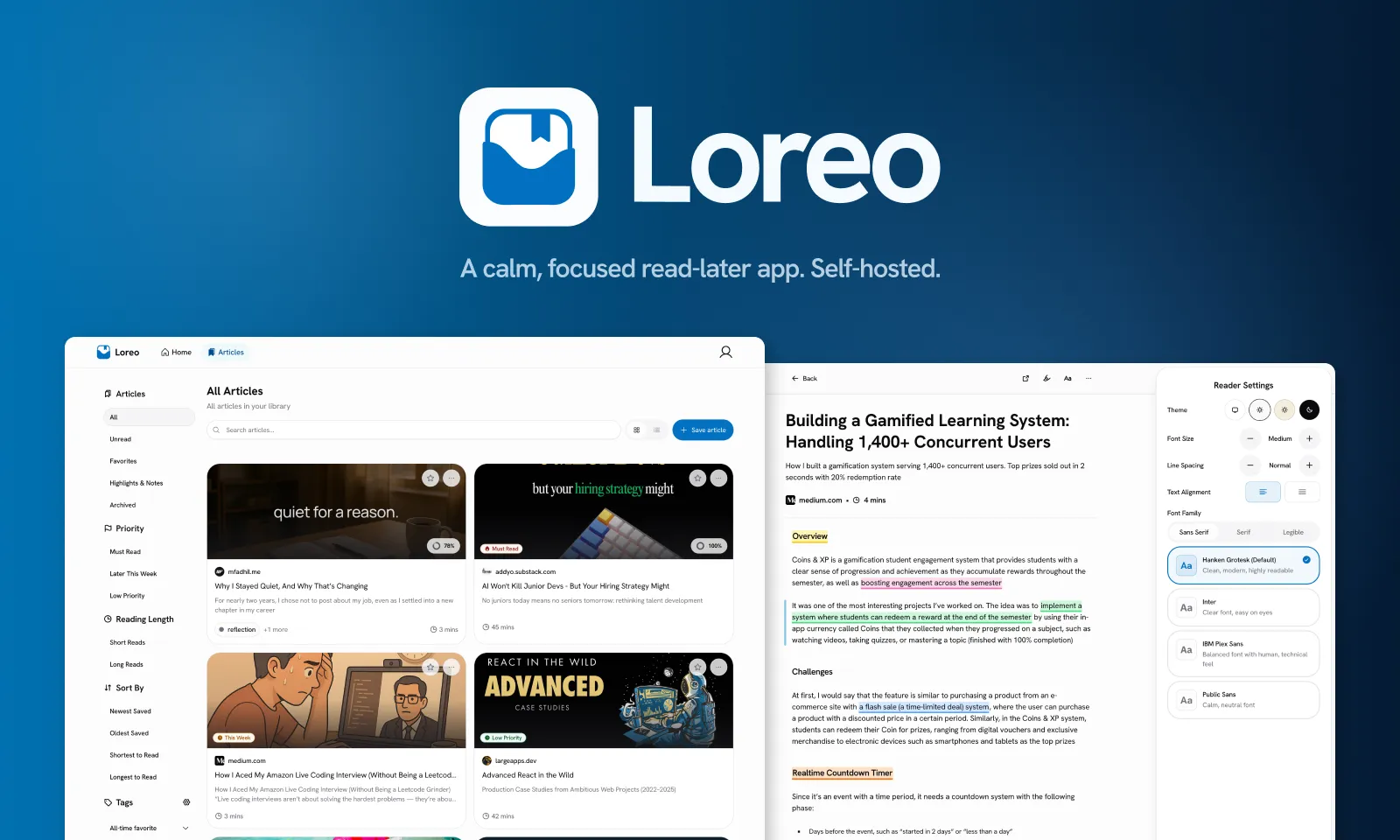
I mapped ingestion stages, failure states, and recovery paths before implementation, then verified the importer against a real 4,405-link archive.
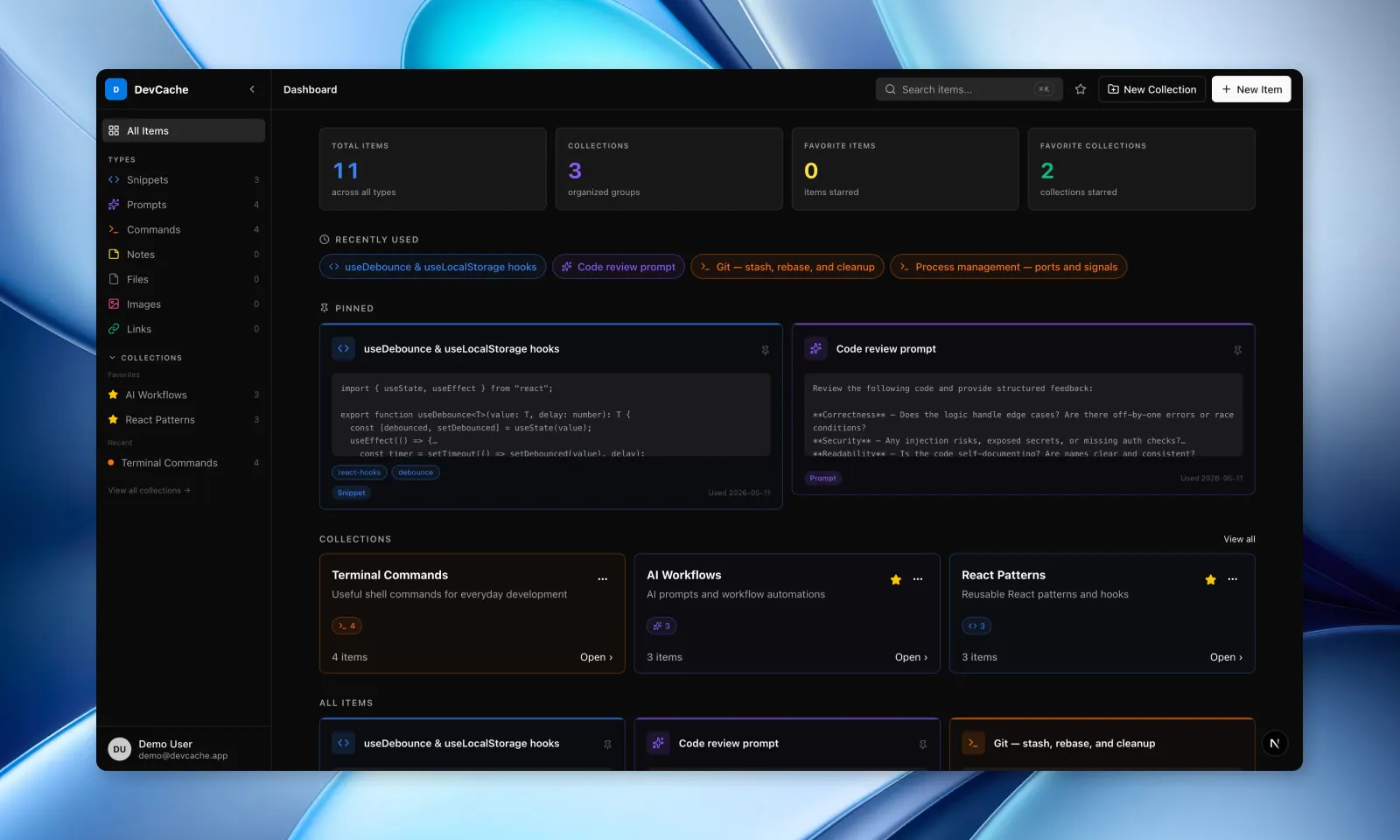
I used the workflow to turn a broad knowledge-management idea into scoped slices, test architecture options, and keep implementation decisions documented as the product evolved.
The exact prompts, commands, and internal setup I use are private. What matters publicly is the methodology: clear phases, durable context, verification, and explicit control.